Word on the (Downing) Street: What's next for planning and development?
Construction
30 Jul 2026

Ollie Sargent
Strategic director: Built environment
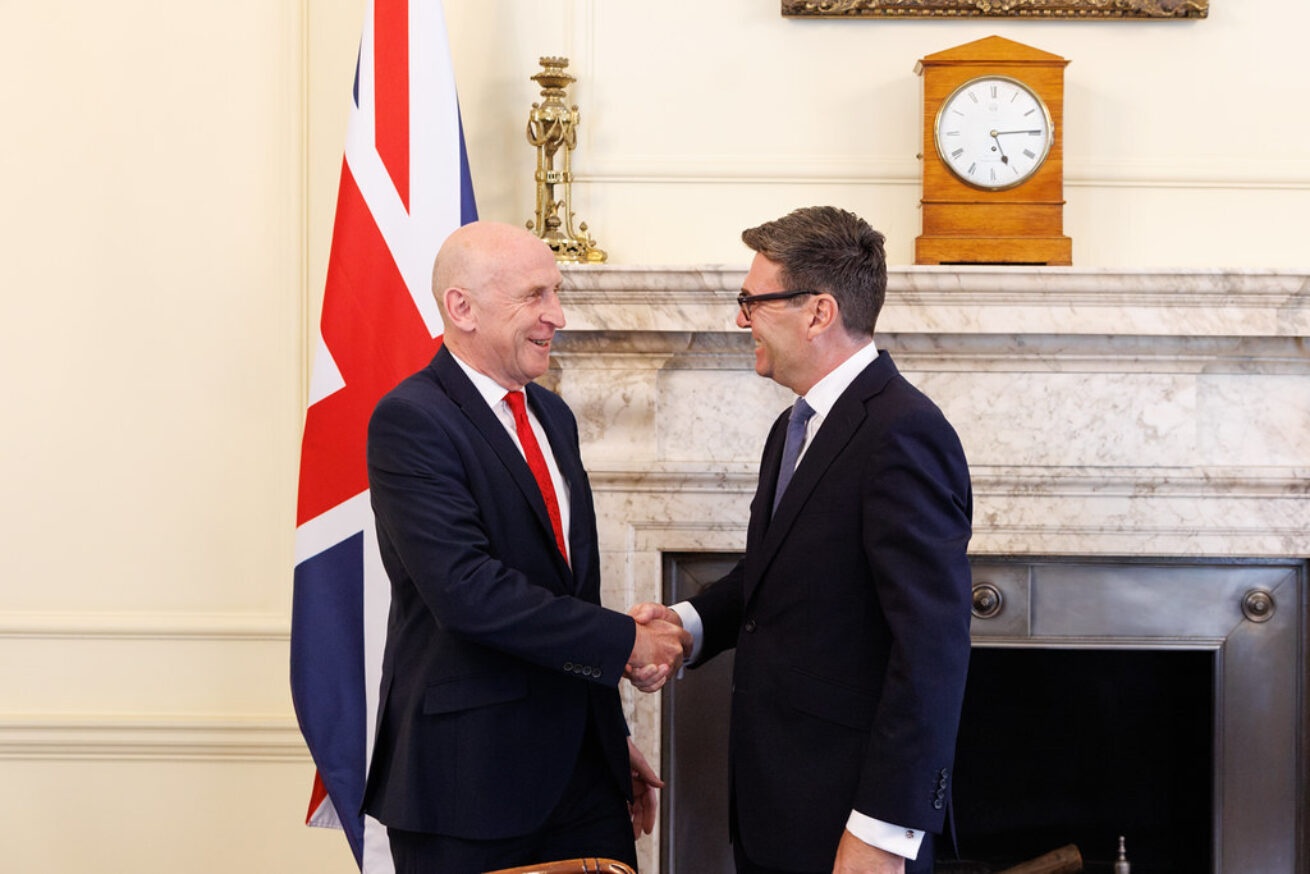
Andy Burnham has a strong political background, that's not in doubt. What's unusual is the shape of it: a cabinet minister under Blair and Brown, then nine years as mayor of Greater Manchester, before returning to Parliament as PM. This isn't a Westminster newcomer taking the reins. It's someone who has spent a decade being judged on what gets built, not what gets announced.
That's exactly why the sector's core question is so sharp: Can local delivery expertise translate into a national planning agenda, or does it get lost in Whitehall the way previous planning promises have?
His first Cabinet picks are an early signal. Angela Rayner returns as secretary of state for housing, communities and local government, while Matthew Pennycook continues at the housing and planning department, with a seat in the cabinet. Florence Eshalomi joins Rayner’s department fresh from the Greater London Authority - a background that feeds directly into the devolution agenda. Elevating the housing brief signals real priority to get Britain building.
Underneath it all sits what Burnham's team are calling ‘Manchesterism’: The idea that economic growth only counts if people feel it. Reportedly, any policy must now pass a set of tests:
- Can a mayor or combined authority deliver it?
- Does it create social value rather than just units?
- Is it echoing something Burnham already did in Manchester?
Devolution is the delivery mechanism: Income tax and business rates are set to move to combined authorities, the biggest rebalancing of power the country has seen, with ‘No.10 North’ pushing it out to the Midlands, the South West, the East of England and London next.
Housing is where this gets tested first. Expect a shift away from the ‘build, baby, build’ approach towards council housing at post-war scale, potentially backed by £40bn of borrowing - though councils can't deliver that overnight, so housing associations will carry the short-term load. It's worth flagging that delivery was the slower part of Burnham’s Manchester record too: Progress on affordable homes lagged the rhetoric for much of his mayoralty. That gap is exactly what the sector will be watching for now that the stakes are national.
On planning, early signs suggest that grey belt policy will remain, while a revised NPPF is likely to place greater emphasis on council housing. Development corporations, such as those referenced in Stockport and Bolton during the campaign, also appear to be his preferred model for growth near greenfield sites, with development on the greenfield itself largely ruled out.
Taken together, we can expect:
- Greater planning powers for mayors and combined authorities
- Infrastructure tackled alongside housing, not as a separate track
- Faster urban regeneration, delivered through development corporations
- More room for partnerships between government, local authorities and investors.
As with any political shift, there will be pros and cons to each decision. Here’s what the industry must weigh up:
Potential positives
- Long-term regeneration programmes gain backing
- Stronger policy certainty
- Real devolution, not just rhetoric
- Investment confidence
- Better alignment for effective placemaking
Possible challenges
- Viability issues won't be solved by planning reform alone
- Skill shortages
- Local government resource still stretched
- Net zero requirements continue to influence effective delivery
- Navigating limited capital investment vs political ambition
Ultimately, it's not about what policies change in the Burnham era - most of this direction was already in the government’s trajectory. The real question is whether central government can get better at delivering the outcomes it promises. That takes sustained work over years, not months - something UK politics has rarely managed, given the revolving door of Number 10.
Ollie Sargent, Cartwright’s strategic director of the built environment, said: “It's an interesting moment for the sector. Much of this direction was already there under Starmer - the intent to get Britain building isn't new - but Burnham brings a sharper focus on devolution and delivery.
The mayors and combined authorities set to gain new powers will become key players, and getting early engagement right will matter.”
Navigating the devolution agenda?
If you're planning ahead for a shift in power to mayors and combined authorities - whether that's understanding what it means for your site, building relationships with new decision-makers or shaping your case early - Cartwright’s newly-expanded planning and development team can help.
With some exciting new appointments on major schemes, the team is well placed to help clients navigate the changes. Get in touch to discuss your site or development plans and how we can support you.