4 key takeaways from this year’s UKREiiF
Construction
01 Jun 2026

Katie Nelson
Director | Head of construction
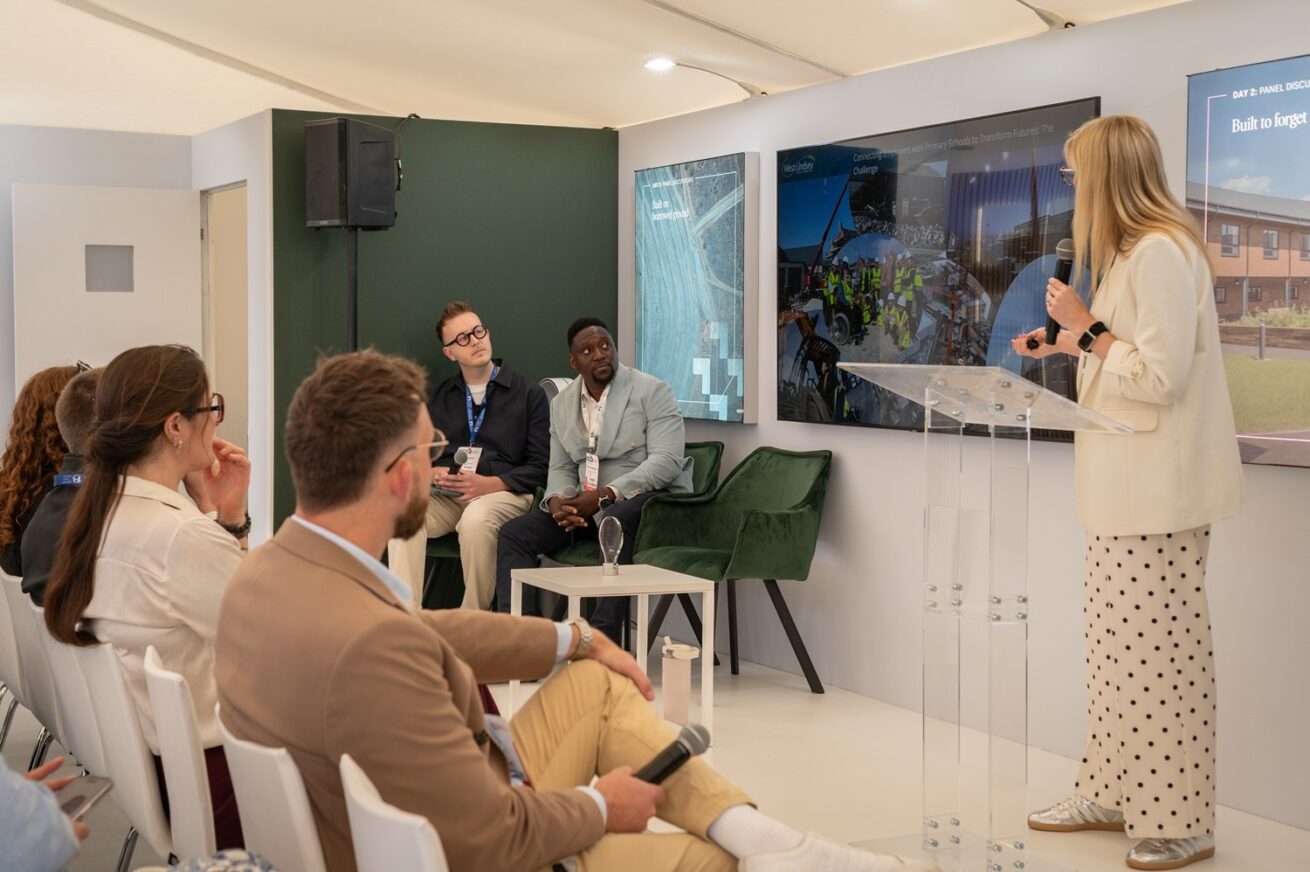
The story of the built environment in recent years has very much been about navigating challenges and roadblocks – whether that be viability gaps, the planning system or the ongoing global events that influence the sector. No magic wand has been waved to make these disappear overnight, but UKREiiF 2026 saw a surprising level of cautious optimism in the current climate.
From the opening keynotes to packed regional pavilions, the collective message was clear: the blueprints of the future are being redrawn, and the industry is ready to drive forward together.
Housing targets and the planning overhaul – still front and centre
With a keynote delivered by the housing minister and so much presence from Labour politicians, it’s not surprising that the planning system and whether ambitious housing targets can be realistically achieved remained key talking points this year. But if 2025’s focus was on what was going to happen, 2026 was about how delivery is underway in the new planning era.
The standout announcement was the introduction of a standardised approach to house designs – co-developed with 23 local authorities and due by the end of this year. Designed to break down barriers for SME developers and supercharge Modern Methods of Construction, it’s an attempt to speed up and streamline frontend delivery – taking some learnings from industrialised construction approaches in other areas like prisons.
Combined with the New Towns Programme under consultation, the new National Housing Bank, a “default yes” for developments near rail hubs, and the revised National Planning Policy Framework (NPPF) expected this summer, the message was clear: Government is working to unblock the pipelines, are you ready to make sure the new system delivers?
There will be some concern around standardisation and what it may mean for localised identity and loss of creative design. But as talks on the New Hospital Programme delved into at UKREiiF – standardisation doesn’t necessarily mean mandating everything, just the elements that matter like performance – so expect this to be a continued talking point in the short term.
The rise of the regional powerhouse
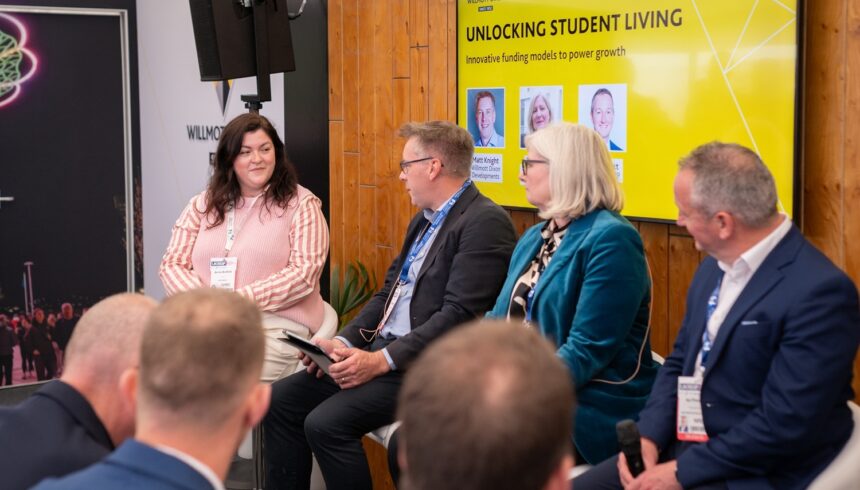
One of the loudest signals from the week was that the centralisation of local decisions is a thing of the past. We’re in the middle of a big transfer of power away from Whitehall and directly into regions.
The headline push at UKREiiF in this respect centred around expanding mayoral powers, establishing new Mayoral Development Corporations (MDCs) and granting local leaders control over housing targets and spatial strategies. Combined authorities are now operating at different stages of development, from established bodies such as Greater Manchester to newer arrangements in areas like the East Midlands. Alongside this, local government reorganisation is continuing across the country, reshaping how decision-making is structured at a regional level.
For construction firms and developers, this means public sector target audiences are evolving. It’s no longer a nameless or inaccessible person in central government; it’s now a tangible individual based in region, with the region’s priorities positioned front and centre.
Mayors are no longer just regional cheerleaders – they are now the shepherds of the future, working to deliver what their specific local areas need, how and when they need it - with greater control over funding deployment. And that was shown by how they showed up throughout the week – not just to do a fly-by panel talk, but to spend meaningful time in regional pavilions with those who will be central in delivering their regional visions.
Overcoming the viability ghost
In the run up to UKREiiF, we knew that viability would continue to be on the lips of most delegates. Whether it’s funding stacking up or the associated delays to getting work underway and its impact on communities, it’s a challenge that affects every part of the sector.
No one was pretending that the current economic environment is easy – especially with constantly evolving global political pressures outside of our control. Rising materials costs, labour shortfalls, supply chain friction and the conversation about cost versus value remain the “elephants in the pavilion.”
However, it wasn’t a topic that people were shying away from. Countless panels and roundtables dug into the specifics from sector and solution angles, and most positively the mood wasn’t defeatist.
The overarching takeaway is that viability is not a problem to be solved in silos. When government ministers, local authorities, developers and construction delivery partners sit in the same room acknowledging the squeeze, the “us versus them” dynamic melts away – with UKREiiF providing that perfect melting pot to debate not just the challenge, but how to tackle it head-on together.
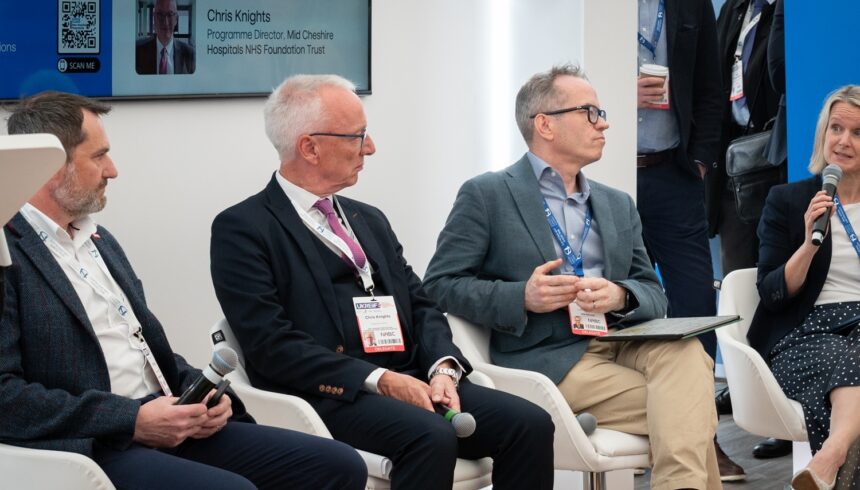
A final note: Writing the next chapter together
The week in Leeds proved that the built environment is moving from a season of conversation towards delivery. The government has been laying down the regulatory green lights, funding mechanisms and infrastructure – and while challenges are certainly ahead, the industry is ready to “get on with it.”
A hugely promising sign has been the big focus on the importance of storytelling. Marketing in the built environment is having its moment – as proven by our own storytelling partnership with UKREiiF, and a full day of marketing-focused sessions.
Whether it’s your own expertise or telling the story of your work and its real-life impact on real people, there’s clearly a much stronger understanding of the business impact the right marketing services create. When approached strategically, marketing is more than just content – it communicates what you need it to, influences decision makers and generates leads.
Are you ready to increase your sales and business visibility? Let’s book in a meeting.