AI In the built environment: Taking a practical people-first approach
Property
29 Apr 2026
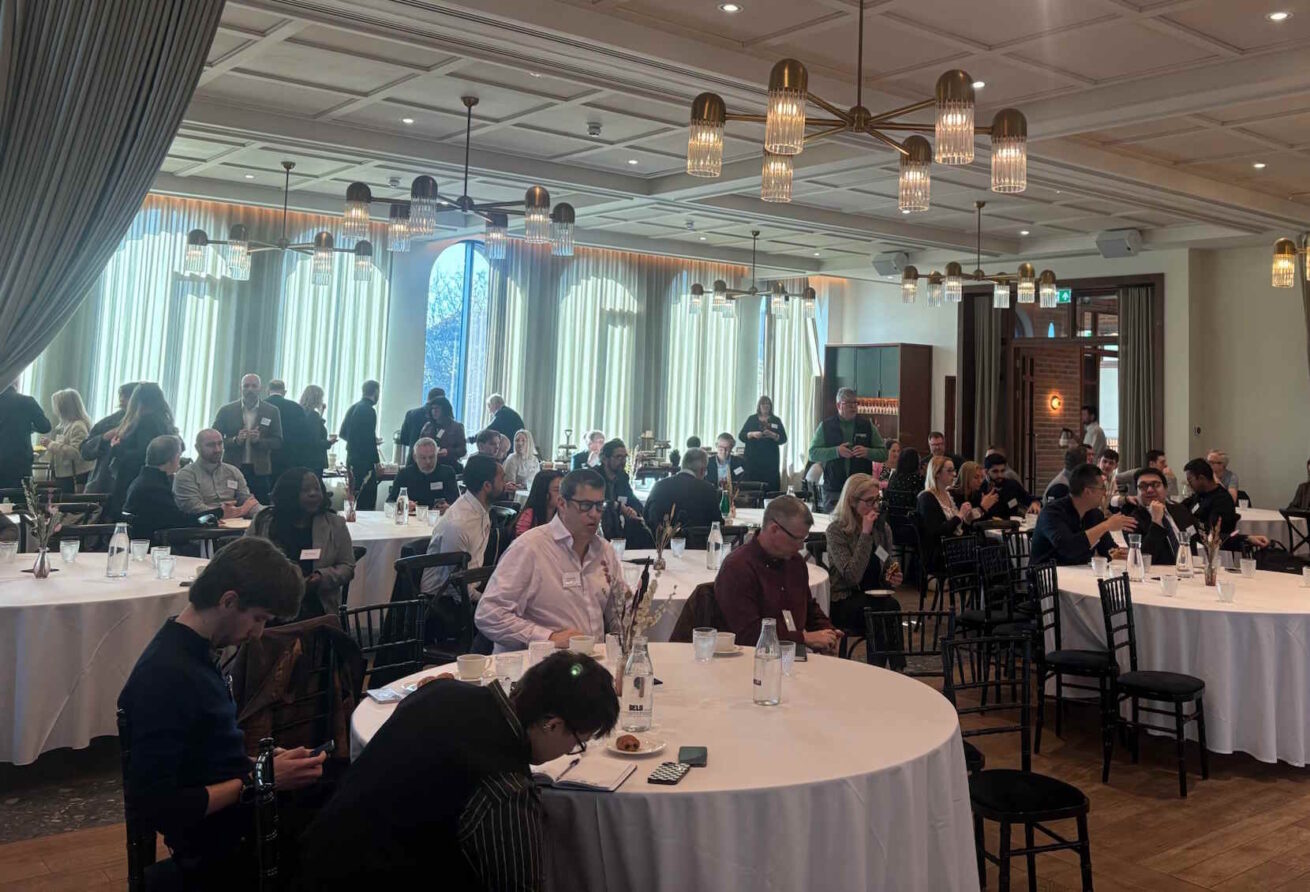
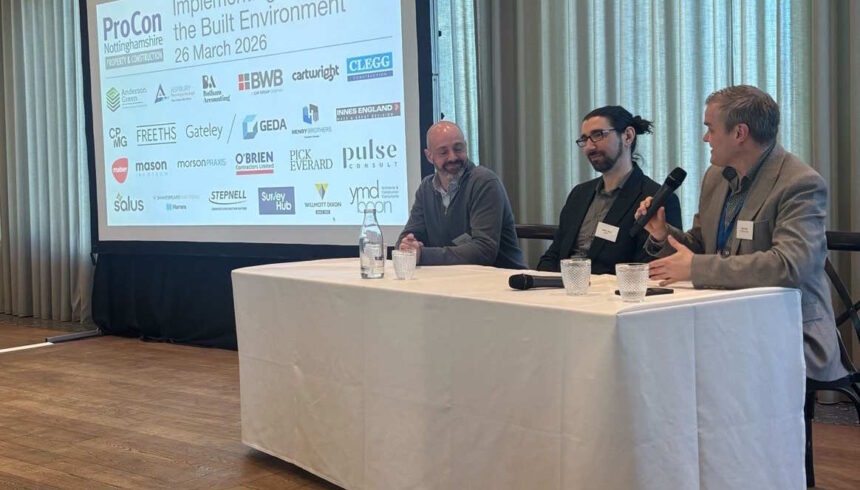
The recent ProCon Nottinghamshire event on the role of AI in the built environment offered a grounded and practical view of how artificial intelligence is shifting the workload for construction professionals. While the technology itself is evolving rapidly, a consistent theme emerged: success with AI is less about the tools and more about people, processes and trust.
From pilot projects to proven value
One of the clearest takeaways was the shift from curiosity-led experimentation to outcome-driven adoption. Early-stage trials demonstrate how relatively small interventions can yield measurable gains. Tasks like report summarisation have reduced from hours to minutes, while large-scale tender evaluations and project administration are being streamlined through automation, creating more capacity to be consultative and build relationships.
Organisations that are inevitably proving to be the most agile do so by proceeding with caution. Adopting structured trial frameworks, typically lasting between three and 12 weeks, can help to demonstrate clear value of integration before scaling. This disciplined approach ensures that AI adoption is tied directly to productivity gains, improved compliance or enhanced service delivery, which can provide tangible time and cost saving benefits.
Importantly, this also reinforces a broader cultural shift: AI is becoming embedded as part of continuous improvement rather than a one-off innovation exercise.
AI as a collaborator, not a replacement
There was a consensus that AI is more effective when treated as a thought partner rather than a decision maker, capable of accelerating analysis and generating insights while ensuring human-in-the-loop oversight.
This framing is critical in the property and construction sector, where accountability, professional judgement and client relationships remain central. The analogy of AI capabilities being akin to a skilled intern resonates - it is wide-eyed and can handle significant workload but still requires direction, validation and context.
There is also a clear need to address the growing knowledge gap between adoption and capability. While many professionals are already using AI tools, from small-scale contractors to Tier 1 giants, their understanding across of how to use them effectively and responsibly varies widely within organisations and therefore a need to refocus on improving AI literacy should be a prerequisite before rollout.
It would be remiss not to recognise that AI is increasingly being considered to dictate PR and content output, yet, as the discussions at ProCon reinforced, tools alone are not a substitute for the value of sector expertise, tailored insight, strategic thinking, relationship building and nuanced support that a specialist agency offers.
Data, governance and the reality of risk
The effectiveness of AI is still heavily constrained by data quality and structure. Siloed information, inconsistent datasets and complex project environments can limit performance and increase the risk of unreliable outputs.
Alongside this, there are well-documented risks: hallucinations, bias, data security concerns and the potential for reputational damage, already influencing how clients and organisations approach AI use.
This is where governance becomes critical. The emergence of formal frameworks, such as the RICS guidance on the responsible use of artificial intelligence in surveying practice, signals a shift towards accountability. AI is no longer an experimental add-on; it is increasingly seen as having a material impact on professional services.
As a result, organisations must be able to demonstrate not only that they are using AI but how they are using it, including controls around data, validation processes and decision-making responsibility.
The growing importance of transparency
A key theme running through the discussion was the need for transparent communication. Internally, this means being clear about where AI is being used, what it is being used for, and what its limitations are. Without this clarity, there is a risk of both over-reliance and mistrust.
Externally, transparency is becoming even more important. Clients even as early as when tendering are asking direct questions about AI use within projects and services. In some cases, restrictions are already being placed on its use within deliverables.
This creates a new challenge for the industry: balancing the efficiency gains of AI with the need to maintain trust and accountability. Explaining AI-assisted outputs in a way that is clear, accurate and proportionate will become a core professional skill from leaders and technical specialists within firms.
A changing workforce, not a shrinking one
Concerns around job displacement were also addressed, but the consensus was more nuanced. Rather than reducing headcount, AI is likely to reshape roles and create new ones. Emerging positions such as AI operations specialists, digital twin managers and data analysts reflect a broader shift in skill requirements.
At the same time, there are valid concerns about the potential “hollowing out” of mid-level roles, particularly if entry-level learning opportunities are reduced. This places responsibility on employers to ensure that training and development evolve alongside technology, maintaining a pipeline of competent professionals who can oversee and validate AI-driven processes.
From innovation to standard practice
Perhaps the most important takeaway is that AI in the built environment is moving beyond experimentation. The question is no longer whether to use it but how to use it securely, responsibly and effectively.
As an agency operating within the construction sector, we are seeking opportunity responsibly. By embedding structured approaches to AI adoption, investing in capability building and communicating openly with stakeholders, there is a clear path to harnessing the benefits of AI while maintaining the trust that underpins the industry.
As AI becomes embedded across the built environment, the opportunity lies not just in adopting the technology, but in applying it with the right expertise. That is where working with an expert ally such as Cartwright makes all the difference. Get in touch to find out how we can support your business challenges.