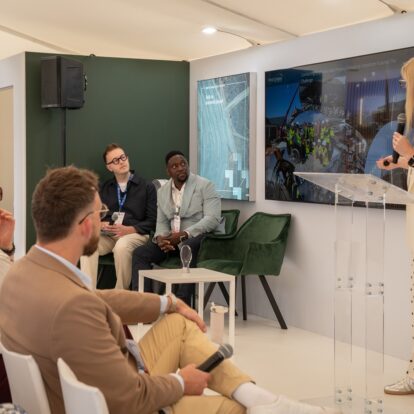
UKREiiF trends and predictions from our team: What’s expected?
Construction
23 Apr 2026

Katie Nelson
Director | Head of construction
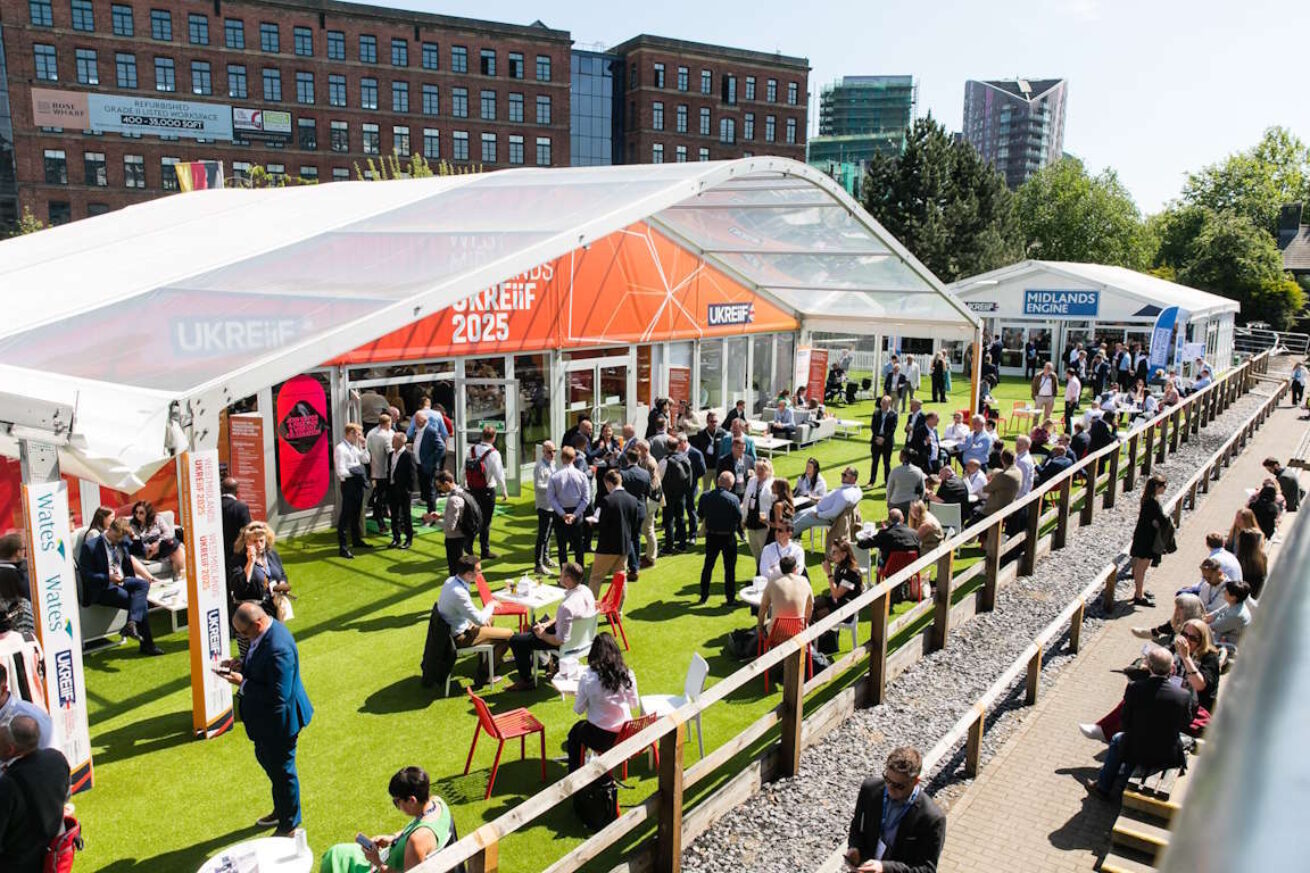
UKREiiF is hurtling towards us, when the built environment sector will descend on Leeds for a week of networking, negotiations, announcements and relationship building once again. It will be hard to ignore the buzz around the event, but with each year, opportunities and challenges have evolved – and with them comes a fresh landscape to navigate.
As one of the rare occasions that a huge portion of the sector comes together en masse with the public sector and investors, UKREiiF provides a blending pot to not only discuss these opportunities and challenges – but to act as a springboard for delivery in the future.
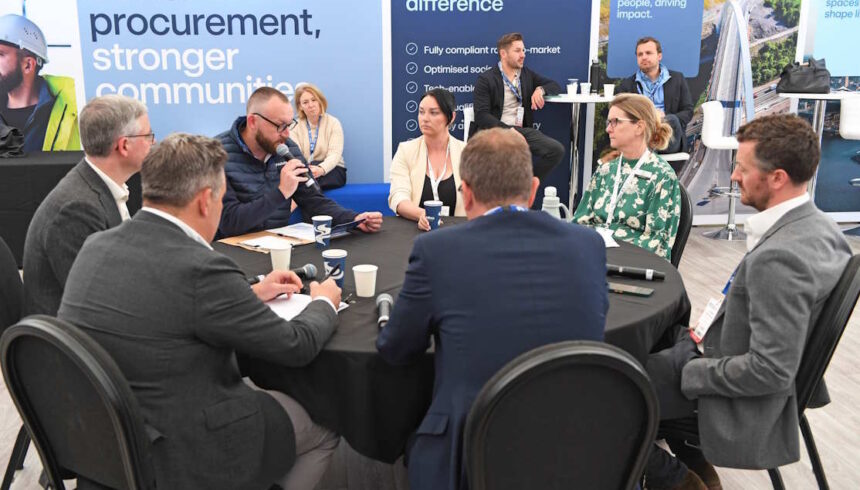
Construction industry trends and key themes
Conversation in 2025 was subsequently centred on how things were going just under a year into new political leadership, with the government having laid the groundwork to solidify many of its manifesto commitments.
Now, in 2026, the conversation has shifted. We are no longer talking about abstract goals or ‘what ifs.’ It’s now about the ‘how’ – and for many, ‘how it’s going’ as delivery towards targets is underway, and new regulations have come into play.
But what are the big topics we expect to see dominating conversation?
The viability tug of war
The sector is still caught in a high-stakes tug-of-war between ambition and reality. On one side, there’s a more powerful drive than ever to deliver transformative developments that prioritise sustainability and social value; on the other, the balance sheet and need to hit government targets quickly. This tension creates a gap where plans often stall because the financial return – often more short-term – doesn’t stack up against the mounting pressure of modern delivery.
The hurdles to viability are relentless. A shifting legislative landscape – including the likes of the still relatively new Procurement Act, a much stricter building safety regime and elements like biodiversity net gain – has added layers of technical complexity and upfront cost. This is precarious for the construction sector especially, where things like volatile materials costs or interest rates – often driven by geopolitics – has a huge impact on an organisation’s bottom line.
The industry has a precarious path to navigate: seeking to elevate the places we all live, work and spend time to create thriving communities, while ensuring there is the economic feasibility to break ground in the first place. There’s no two ways about it: viability is a battlefield and everyone has an opinion. Expect it – and the interconnected topic of private public partnerships - to dominate conversation for a long time to come.
Local election fall-out
If last year’s UKREiiF focused heavily on the national political picture, it’s likely that 2026 will see a more local focus. The event will come hot on the heels of local elections that many expect to see bring significant change to local leadership.
If these predictions come true, that’s a new crop of leaders and potentially different political alignments at a local level. No doubt for some areas, any change – or lack of one – may be a talking point by itself, but these hopeful leaders are campaigning on hyper-local topics to gain votes. Councillors will want to be out of the gate fast on any promises and showcase a truly community-focused approach.
The post-election landscape will need to blend national directive with local delivery and priorities. So, using the window between election results and UKREiiF to identify what those promises in wards around the country are will be a key guide to public sector engagement while in Leeds. This all-important public sector engagement will be ongoing into the future – but UKREiiF provides an early springboard as the industry comes together.
The power play: Data centres and energy
In 2026, the old real estate adage “location, location, location” has shifted: it’s now all about “power, power, power.” As AI continues to boom, data centres have emerged as the highest-yielding asset class, with site values skyrocketing wherever secured power allocation exists. This surge is fuelled by widespread digital adoption and the UK government’s commitment to making Britain a leading AI-enabled economy - investing more than £1.6bn in AI research.
And that’s translating. Planning approvals for data centres rocketed 63% in 2025 when compared to 2024 – and indeed the value of these sites gaining detailed planning permission now outstrips that for office blocks.
The challenge remains in balancing this demand with infrastructure reality. Data centres are much more than just ‘big sheds’; they require strategic positioning and design to manage their immense energy consumption, water cooling needs and impact on overall grid capacity. Expect how to balance rapid digital infrastructure requirements with sustainability and grid capacity to be a hot topic at UKREiiF and beyond.
In conclusion
Realistically, this is just the tip of the conversation iceberg. As the built environment – and pressures on it – continue to evolve, there will always be countless topics that attendees at UKREiiF will be debating.
That’s where the melting pot of the industry meeting at scale really shows its power – not only to talk about these opportunities and challenges, but building the relationships that can take solutions, efficiencies and new ways of thinking into the future.
See you at UKREiiF 2026
At Cartwright, our construction specialists will be attending UKREiiF 2026, working alongside our clients to host roundtables, panels and networking events. After the event, we’ll be sharing our insights and key takeaways, so keep an eye on our blog for updates.