MIPIM is changing - here’s where the real value now sits
Construction
27 Feb 2026

Tom Snee
Director
MIPIM is changing - here’s where the real value now sits
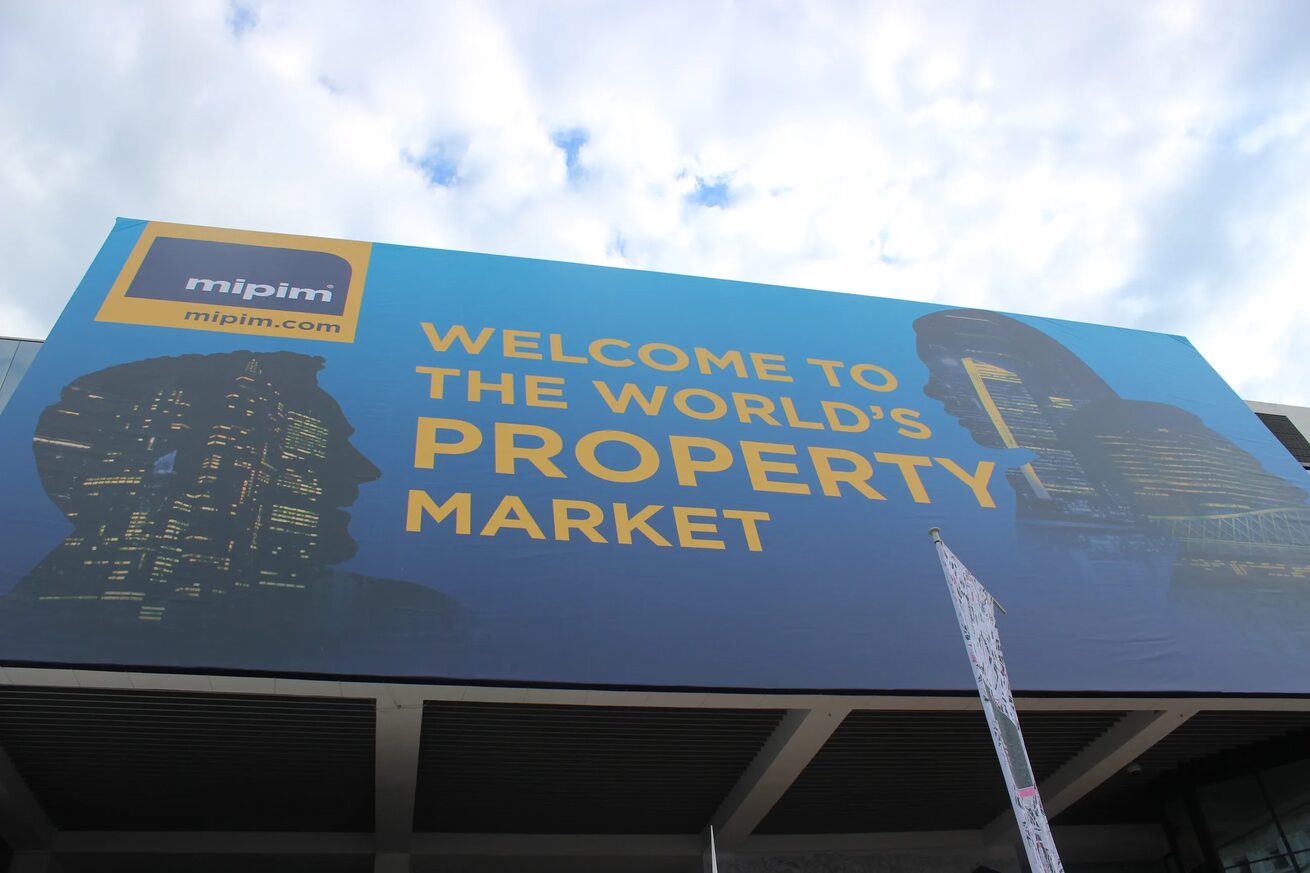
As the 2026 season comes into view, MIPIM is once again appearing in diaries across the built environment sector.
For many, it remains a fixture. For others, it prompts the familiar question: why attend MIPIM at all in 2026?
From our perspective, the answer is yes, but the rationale has evolved. The value today is less about presence and far more about perspective.
Each year we attend, the most useful takeaway is not the volume of conversations, but the clarity that comes from hearing the market speak in real time. It offers a rare, concentrated view of how investors, developers, local authorities and advisors are interpreting the same set of pressures and how quickly expectations are shifting.
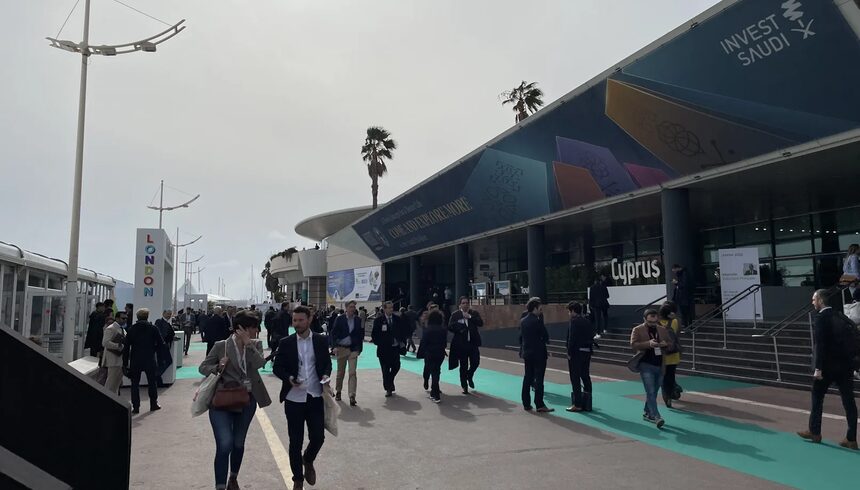
In the current climate, that shared market visibility of more than 20,000 attendees - not to mention the many thousands more on the fringe - is increasingly difficult to replicate elsewhere.
A sector operating under sharper scrutiny
The built environment landscape has tightened noticeably in recent years.
Funding routes have become more complex and more heavily interrogated. Competition for work has intensified across most subsectors. Decision makers are being asked to evidence value much earlier in the lifecycle of a project and with far greater precision than before.
Where once a strong vision might have carried weight on its own, it now needs to be supported by credible delivery pathways, robust commercial logic and clearly articulated long term outcomes. Whether the audience is investors, planning authorities or procurement teams, the common thread is consistent - confidence must be earned, not assumed.
For marketing leaders and managing directors, this shift changes the role of positioning entirely. Differentiation is no longer simply about standing out - it’s about standing up to scrutiny.
What continues to make MIPIM useful
It is easy to reduce MIPIM to a networking exercise, but that interpretation misses the deeper strategic value.
What continues to justify the time and investment is the density of live market intelligence available across the week. Beyond the formal conference programme, there is a steady undercurrent of candid discussion about where confidence is strengthening, where caution is creeping in and which parts of the market are likely to feel pressure next.
The 2026 programme reflects just how much the conversation has moved on. Content is heavily focused on the transformation of real estate through AI disruption, the growing importance of data centres and the industry’s route to net zero. Alongside this sits continued emphasis on innovation, infrastructure investment and large-scale regeneration shaping future pipelines.
Individually, none of these themes are entirely new. Collectively, however, they signal a market that is becoming more technical, more data led and more commercially disciplined.
For ambitious CMOs seeking stronger influence at board level and for managing directors balancing growth ambitions against risk, these signals are highly actionable. They help sharpen strategic judgement in a way that static reports rarely can.
Listening properly before advising clients
Our role at Cartwright often begins with helping built environment organisations express their value with greater clarity and commercial credibility and to do that well, we must remain closely tuned to the realities shaping our clients’ world.
Time spent at MIPIM allows us to pressure test what we are seeing day to day against the broader market mood. It helps us sense where expectations are rising, where messaging is becoming commoditised and where genuine differentiation is still achievable.
This is precisely why our approach begins with insight. When strategy is grounded in evidence rather than instinct, organisations are better equipped to move with confidence in uncertain conditions.
Signals worth watching this year
Early conversations around MIPIM 2026 point to a market continuing to recalibrate rather than reset.
Artificial intelligence is moving steadily from innovation topic into operational expectation. The growth of data centres is creating new conversations around infrastructure, energy demand and investment strategy. The path to net zero remains firmly under the spotlight as both investors and public bodies look for credible delivery, not just ambition.
Alongside this, the industry continues to wrestle with housing delivery, urban resilience and the need for sustainable long term asset performance. These are no longer peripheral discussions. They are increasingly central to how schemes are funded, approved and procured.
For marketing leaders and MDs alike, the implication is straightforward. The space for vague positioning is shrinking.
Why attend MIPIM in 2026?
For senior teams weighing up time, cost and focus, the question is no longer whether MIPIM has value in principle. It is whether attendance will create a genuine commercial advantage.
The organisations seeing the strongest return are those using the week to test assumptions, validate market direction and refine how they present their offer to increasingly forensic decision makers. In that context, MIPIM 2026 becomes less about visibility and more about informed positioning.
This is ultimately why attend MIPIM remains a live question for many leadership teams. The answer depends not on the event itself, but on how deliberately it is used.
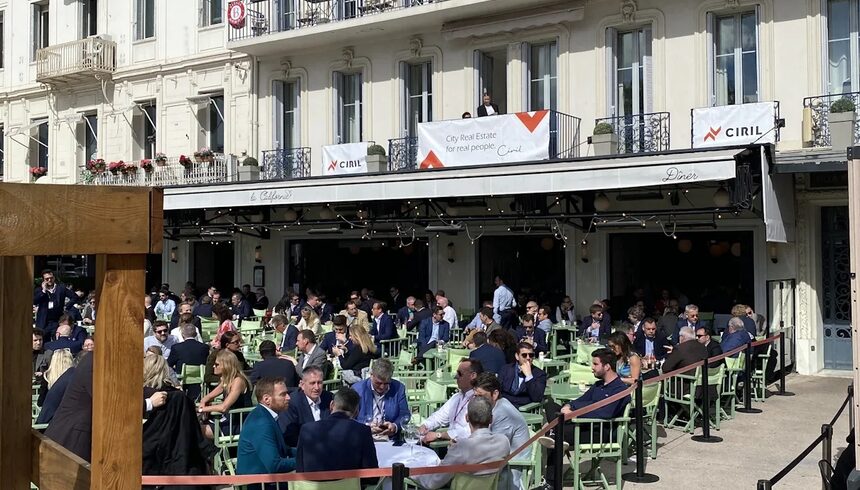
Turning attendance into advantage
Simply being present in Cannes is not, in itself, a strategy.
The organisations extracting the most value tend to approach the week with clear commercial intent and a view of how the insight gathered will shape decisions afterwards. They treat it as one moment within a wider growth plan rather than a standalone activity.
In a market where senior teams are already stretched, that level of focus is not always easy to maintain internally. Many leaders are balancing investor expectations, delivery pressures and competitive threats simultaneously.
This is where having the right ally alongside you becomes materially valuable. Our role is to bring the external perspective, structured thinking and market intelligence that helps clients move decisively, doing together what would be difficult to achieve alone.
As CMA Agency of the Year, we see firsthand how the right combination of insight, intelligence and impact can turn market moments into meaningful commercial advantage.
Final thought
Because of all this and more, we will - once again - be in Cannes this year.
Not for the optics. Not out of habit. And certainly not because the market is standing still.
We attend because moments of genuine market concentration still matter, particularly when conditions are tight and expectations are rising.
For organisations prepared to listen carefully and act deliberately, MIPIM continues to provide something increasingly rare. Early clarity on where the built environment market is really heading.
And in the current climate, that clarity is worth having.